 February 23, 2024
 by Harry Fisch
Papua New Guinea, more than a Photo Tour
With over 800 different languages and a huge number of tribe societies, Papua New Guinea (PNG) is a great example of how strong the spirit of humanity’s first societies can be. From the highland valleys to the dark forests, each tribe adds something different to the country’s rich cultural history. This diversity isn’t just in language; it’s also in every part of life, from rituals and dances to clothes that say a lot about a tribe’s past and identity. This is an integral part of the design of our Papua New Guinea Photo Tour.
With its wide range of cultures and stunning natural scenery, Papua New Guinea lets you experience a way of life that has changed and evolved over thousands of years. It lets people from all over the world see and interact with a society where tradition and community are still important parts of daily life. This makes it a truly special place to visit for anyone who wants to learn more about human culture.
.

All pictures By Roberto Pazzi
In Papua New Guinea diversity isn’t just in language; it’s also in every part of life
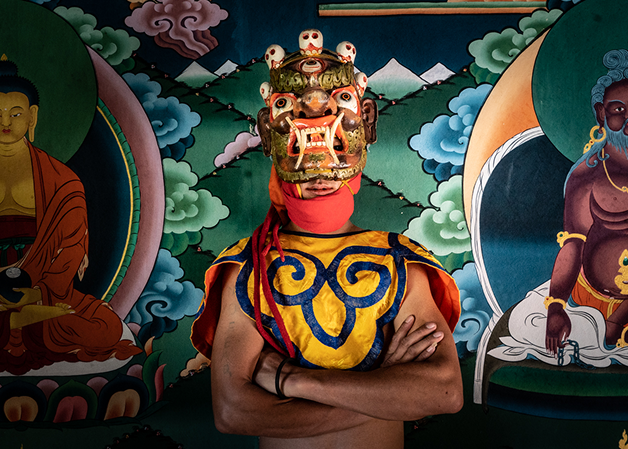
Tribal groups like the Huli Wigmen, who are known for their fancy hats, and the Asaro Mudmen, who are known for their scary mud masks, show how people have kept their practices alive for thousands of years. These groups are known for their singing and dancing, as well as their elaborate body art and other decorations that are more than just looks. They show who they are and their social status.
Rituals and traditions from the past are a deep way to learn about how PNG’s tribes live together and what they believe spiritually. Some of these are initiation rites and complicated courtship practices that are very important to the community. PNG’s artistic skills can also be seen in their traditional crafts, like carvings, weavings, and pots, which are not only useful things but also have deep meanings.
A big part of life in PNG is getting along with nature. There is also a spiritual link to the land. Ancestral religion and animism are very important in many communities.

Papua New Guinea unique traditions
Papua New Guinea has a lot of unique economic and cultural customs, and shell money is one of them. This old form of money, which is made from polished shells, is still used to buy and sell things and represents wealth and social status.
In the Highlands, the Moka exchange is a way of giving and receiving gifts that values social bonds and mutual respect over material wealth. The sago palm is used to make sago, which is not only a food item but also a cultural activity that includes the whole community and shows how Papua new guinea uses its resources in a sustainable way.

Papua New Guinea is a treasure trove of unique cultural and economic practices that reflect its diverse societies. Here are three distinctive traits that stand out:
Shell Money: Traditional shell money is still used for trade, bride prices, and other ceremonies in some parts of PAPUA NEW GUINEA. This kind of money, which is made from smooth shells, is not only used to buy things, but it’s also a sign of wealth and social status. Stringing small discs of shells together is a very complicated process that has been passed down from generation to generation. Shell money is still a big part of the economy and social life in some coastal and island towns.
The Exchange of Moka: The Moka exchange is a complicated system of giving and receiving gifts that is only found in the Highlands area of Papua New Guinea. It is a very important way for tribes to build relationships and social status. Moka is not like simple trade or bartering because people trade valuable things like pigs, shell money, and modern goods in a way that makes the person who gives them more respected. The goal is not to make money right away, but to build a long-term connection based on mutual respect and giving and receiving. This method supports the social structure of Papua New Guinea’s Highland societies by putting more value on sharing wealth and social ties than on building wealth.
Production of Sago: Many coastal and riverine towns in Papua New Guinea rely on sago, which comes from the sago palm, as their main source of food. Making sago isn’t just a way to cook, it’s also a cultural practice that the whole community takes part in. Getting the starchy pith out of the sago palm stems, washing it, and then turning it into flour or paste takes a lot of work and needs everyone to work together. Sago is not only an important source of carbohydrates, but it is also a big part of celebrations and social events. Growing and processing sago shows how closely PAPUA NEW GUINEA is linked to its natural surroundings and how it uses its resources in a way that doesn’t harm them.